
Organisations face a new challenge: the perfectly phrased, highly legalistic, and often voluminous AI-generated complaint.
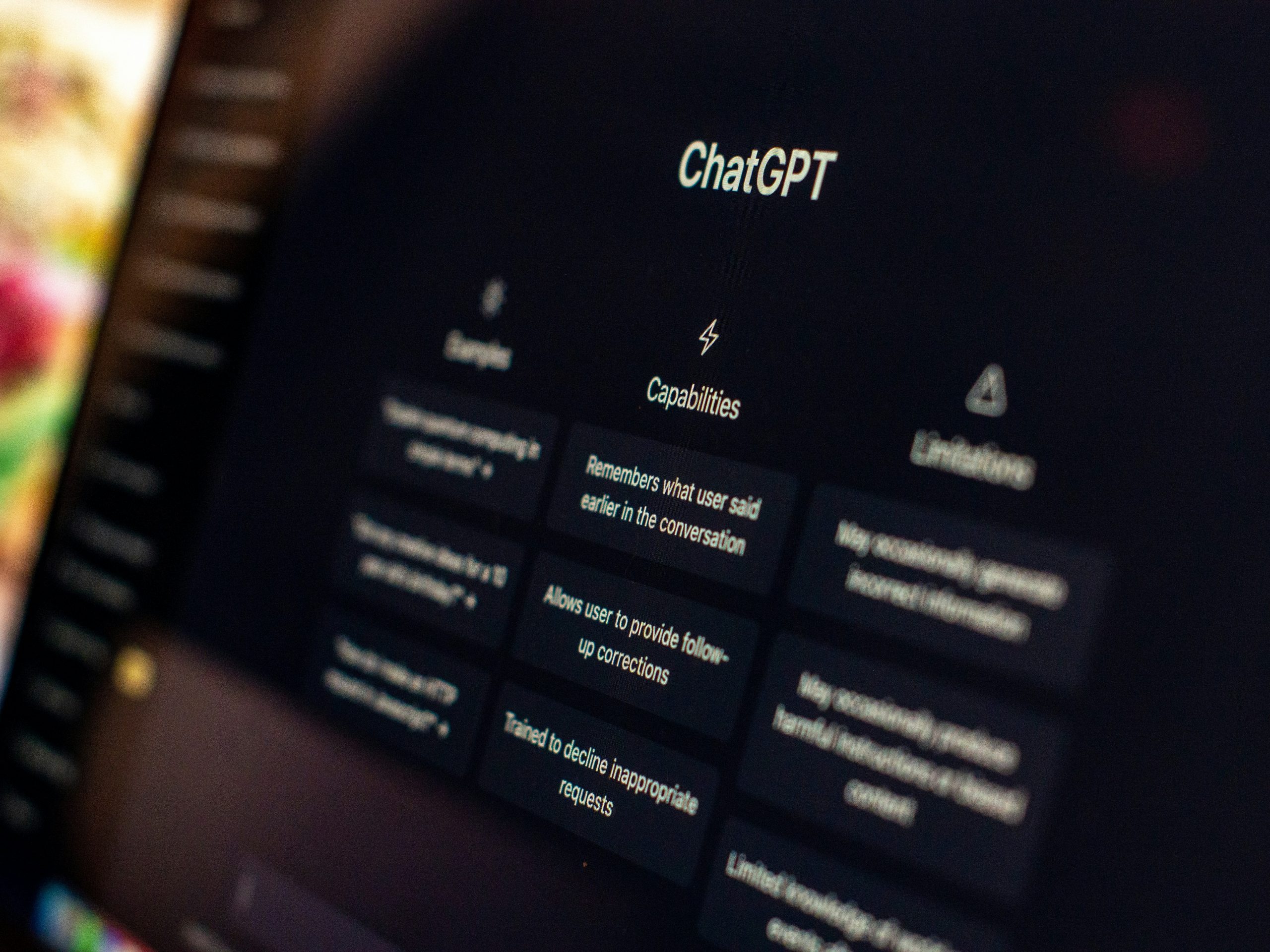
Tools like ChatGPT have democratised drafting formal grievances. While this can help individuals articulate genuine concerns, it also allows for the mass production of complex correspondence that can overwhelm an organisation’s internal systems. The challenge for leaders is to look beyond the 'bot' and identify the underlying human issue without compromising the principles of candour and fairness.
An AI-generated letter often looks formidable. It might cite specific statutes, use dense legal terminology, and adopt a tone of supreme authority. However, as solicitors know, a letter that looks like Particulars of Claim is not always a valid one.
The first rule for organisations is not to be intimidated by the syntax. The duty of an organisation is to address the substance of a complaint, regardless of whether it was drafted by a human, a solicitor, or an algorithm. The focus must remain on the facts. If a genuine failing is identified within an AI-generated letter, the organisation’s obligation is to address it.
We must consider the impact on staff who process these letters. AI can generate aggressive, high-stakes correspondence in seconds, often including personal allegations against managers.
For the recipient, the psychological weight is the same whether the words were chosen by a person or a machine. Organisations have a duty of care to support staff who are on the receiving end of these automated 'barrages'. It is essential to implement a triage system that filters for tone and volume, ensuring that staff are not subjected to unnecessary 'litigation-style' stress for issues that could be resolved through a simple conversation.
There is a growing temptation for organisations to fight fire with fire, using their own AI tools to draft responses to complaints. This is a reputational minefield.
If an organisation is found to use automated 'boilerplate' responses to avoid genuine engagement, it risks a complete loss of trust. True candour requires a human element. While AI can help summarise or categorise complaints, the final decision and its communication must remain human.
Try the following suggestions:
- Train complaint managers to strip away the 'AI-fluff' and identify the core grievance.
- Ensure that final responses are signed off and reviewed by a person.
- Empathy cannot be automated, and it is often the best tool for de-escalating a dispute.
- Review internal policies to address 'automated' or 'bulk' complaints, ensuring that while every genuine concern is heard, the system is not gamed by those using AI to harass or overwhelm.
- Whether a complaint arrives as a handwritten note or a 5,000-word AI dissertation, the organisation’s moral and legal compass must point in the same direction.